 Duncan Reid
You’re staring at a 96.5% RTP slot. You’ve spun 400 times without a bonus. Your brain screams that a payout is "due." The math says otherwise. Every spin is independent, and that 96.5% is a long-term average that means nothing to your next click. If you don’t understand the difference between RTP, volatility, and hit frequency, you’re not gambling—you’re donating.
This isn’t another generic "play responsibly" lecture. It’s a breakdown of the numbers that actually drive casino profits and how to use that knowledge to stretch your bankroll, avoid the worst traps, and spot the rare value bets hidden in plain sight.
RTP Is Not a Payback Promise
Return to Player (RTP) is calculated over millions of spins. A 96% RTP slot will, theoretically, pay back $96 for every $100 wagered—but only after an infinite number of spins. In a single session of 500 spins at $1 each, your actual return could be 0% or 500%. The variance is brutal.
Here’s a concrete example. Two slots, both 96% RTP. Slot A has a hit frequency of 40% and a max win of 500x. Slot B has a hit frequency of 15% and a max win of 50,000x. Slot A feels "dead" less often, but you’ll rarely hit big. Slot B drains your balance faster, but when it hits, it can change your month. Your choice depends on your goal: grind or chase.
Never trust a casino’s advertised RTP without checking the game’s help screen. Some providers adjust RTP by jurisdiction—98% in one market, 92% in another. A 92% slot is a 15% house edge, which is worse than American roulette (5.26%). Over 1,000 spins at $1, that’s $80 lost on average versus $52 for the 96% version. That gap is your real enemy. This is explained well on สล็อตเว็บตรง.
Volatility: The Hidden Session Killer
Volatility (variance) determines how often and how large your wins land. High volatility means long dry spells and rare huge payouts. Low volatility means frequent small wins that rarely exceed your total bet. Most beginners chase high volatility because they dream of 10,000x. They don’t realize that a high-volatility slot can eat 300 spins without a single win above 2x.
Here’s a rule of thumb from the trenches: your bankroll should be at least 200x your bet size for high-volatility slots and 100x for low. Betting $1 on a high-volatility slot with a $50 bankroll is suicide. You’ll bust before the bonus lands—if it lands at all.
Poker is different. Volatility there comes from table dynamics, not RNG. A tight-aggressive player at a $1/$2 no-limit table might see 25% of flops and win 55% of showdowns. The variance is psychological: you can play perfectly and still lose three buy-ins in a night. The fix is bankroll management, not game selection.
Bonus Buy Is Usually a Bad Bet
Bonus buy features—where you pay 100x your bet to trigger free spins—are wildly popular. They’re also mathematically worse than spinning normally in most cases. Why? Because the casino charges a premium for instant gratification.
Take a slot with 96% RTP and a bonus buy price of 100x. The average return from that bonus is often 95% or lower, because the provider pads the house edge. Some slots offer 97% RTP on the bonus buy specifically to lure you in, but those are rare. Do the math: if you buy 10 bonuses at $100 each, you’ve wagered $1,000. At 95% RTP, you expect $950 back—a $50 loss. Spinning normally at $1 per spin for 1,000 spins at 96% RTP loses only $40. The buy button is a -EV trap dressed as convenience.
Worse, bonus buys bypass the natural pacing that protects your bankroll. You can lose 20 buy-ins in an hour. With manual spins, fatigue and time limits slow you down. That’s not a bug; it’s your only defense.
Poker: Where Skill Actually Moves the Needle
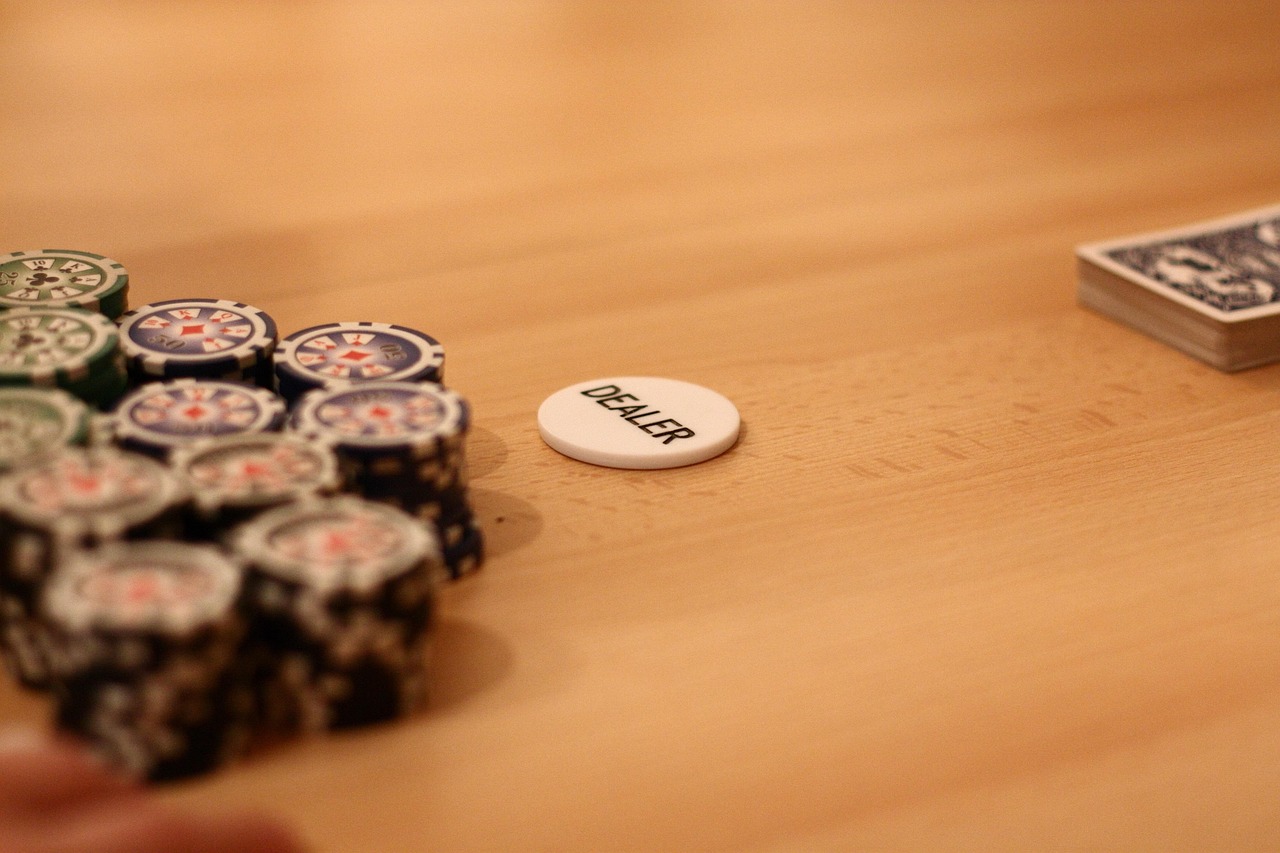
Unlike slots, poker is a game of decisions, not luck. The house takes a rake—typically 5% up to $3 or $4 per pot—but a skilled player can beat that. The key is table selection. A $1/$2 game with nine loose-passive players is a goldmine. The same stakes with seven grinders is a waste of time.
Here are three concrete leaks that cost beginners money:
- Playing too many hands. If you see 40% of flops, you’re bleeding. Aim for 20–25% in full-ring games.
- Ignoring position. The button wins more than any other seat because you act last. Fold marginal hands from early position.
- Chasing draws without odds. A flush draw on the flop is roughly 35% to complete by the river. If the pot offers you 2:1, you need 33% equity to call. It’s close—but only if you’re sure you’ll see both cards.
The rake is the silent killer. In a $1/$2 game with a $4 rake, you need to win $4 more per hour just to break even. That’s why many pros move to $2/$5 or higher, where the rake percentage drops. If you’re playing micro-stakes, treat it as entertainment, not income.
Betting Markets: Line Shopping Is Free Money
Sports betting is where the sharpest minds live. The house edge on a standard -110 point spread is 4.76%. But that edge shrinks or grows depending on which book you use. A -105 line at one book versus -115 at another is a 2% difference in expected value. Over 500 bets, that’s thousands of dollars.
Always compare lines. Always take the best price. And avoid parlays unless you’re chasing a lottery ticket. A two-team parlay at -110 each pays 2.6:1, but the true odds are 3:1. The house edge jumps to 10%. Three-team parlays? 12.5% edge. You’re better off betting single games.
Live betting is even sharper. The lines move fast, and recreational bettors panic. If you can stay disciplined and only bet when the math is clear—like a soccer team down 1-0 at halftime with 60% possession and 1.5 xG—you can find value. But you need a model, not a gut feeling.
The Only Three Rules That Matter
After all the math, the psychology, and the edge cases, here’s what actually keeps you in the game:
- Set a loss limit before you start. Not a win goal—a loss limit. When you hit it, walk away. No exceptions.
- Bet smaller than you think you should. A $10 bet on a 96% RTP slot with a $1,000 bankroll is fine. A $50 bet is not.
- Track everything. Every deposit, every withdrawal, every session. If you don’t know your actual net loss, you’re flying blind.
The casino doesn’t beat you with rigged games. It beats you with time, variance, and your own emotions. Understand the numbers, respect the variance, and you’ll last long enough to enjoy the rare wins when they come. And if you can’t do that? Stick to free play. The house always wins—unless you stop playing their game.


